Warehouse Trolley
Internal Warehouse Movement Is Slowing Things Down — and It’s Not Always Obvious
In a lot of warehouses, the problems don’t announce themselves loudly. Things just feel… slower. Aisles seem tighter than they should be. Workers are carrying more than expected. Equipment is always in the way, even though nothing “new” has been added.
Most teams start searching for answers like aisle congestion, too much manual handling, or why is floor space disappearing. Fair questions. But more often than not, the root cause isn’t planning or staffing. It’s the internal movement tools being used day after day for short, repetitive jobs they were never really designed for.
Bulky carts. Rigid frames. Equipment meant for long hauls doing dozens of tiny moves. Over time, all of that adds friction. And it adds up faster than people realize.
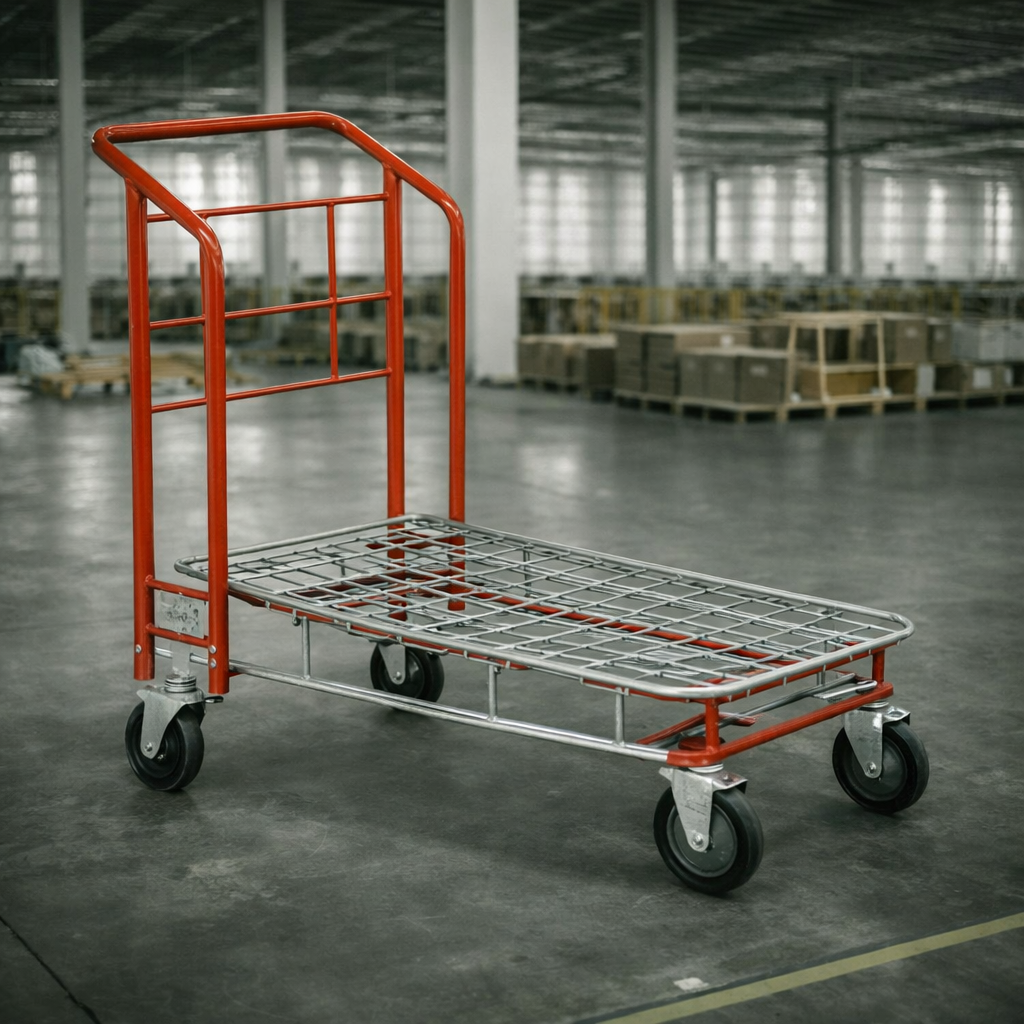
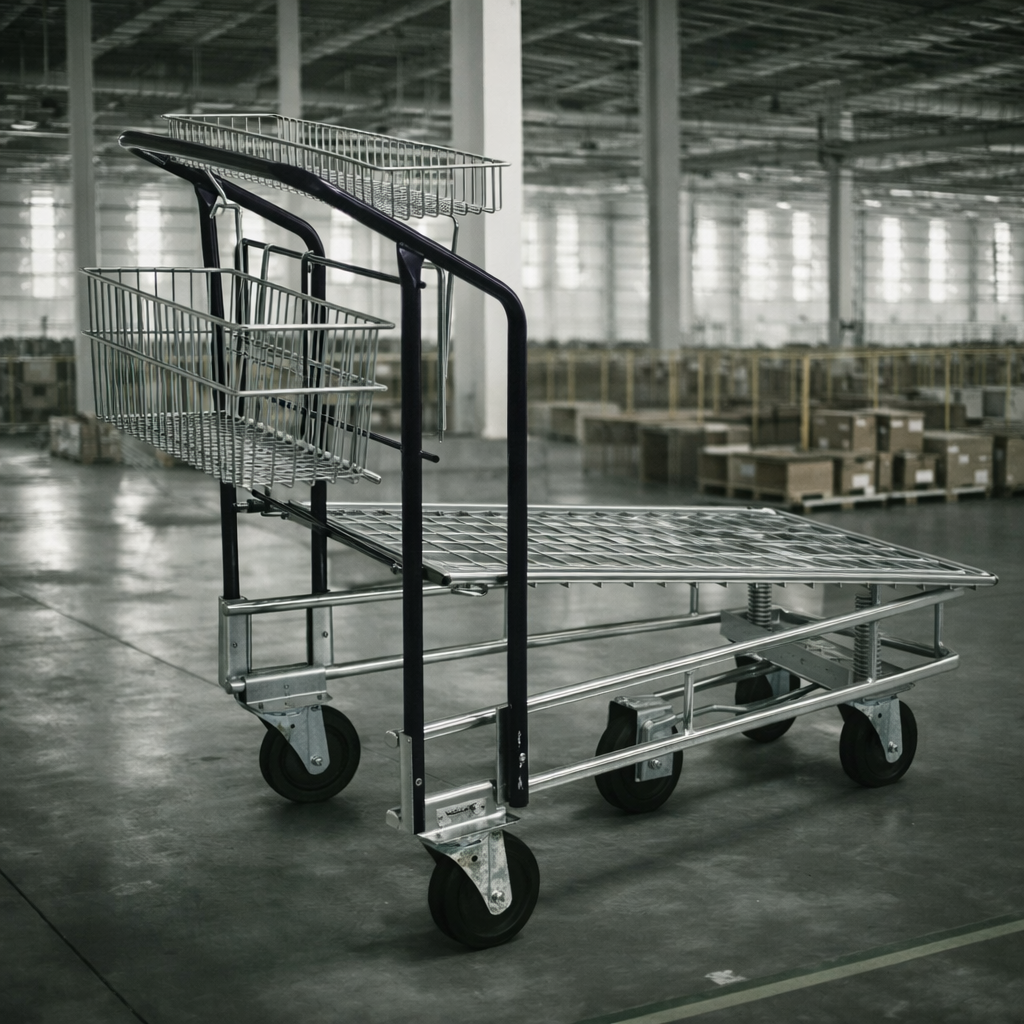
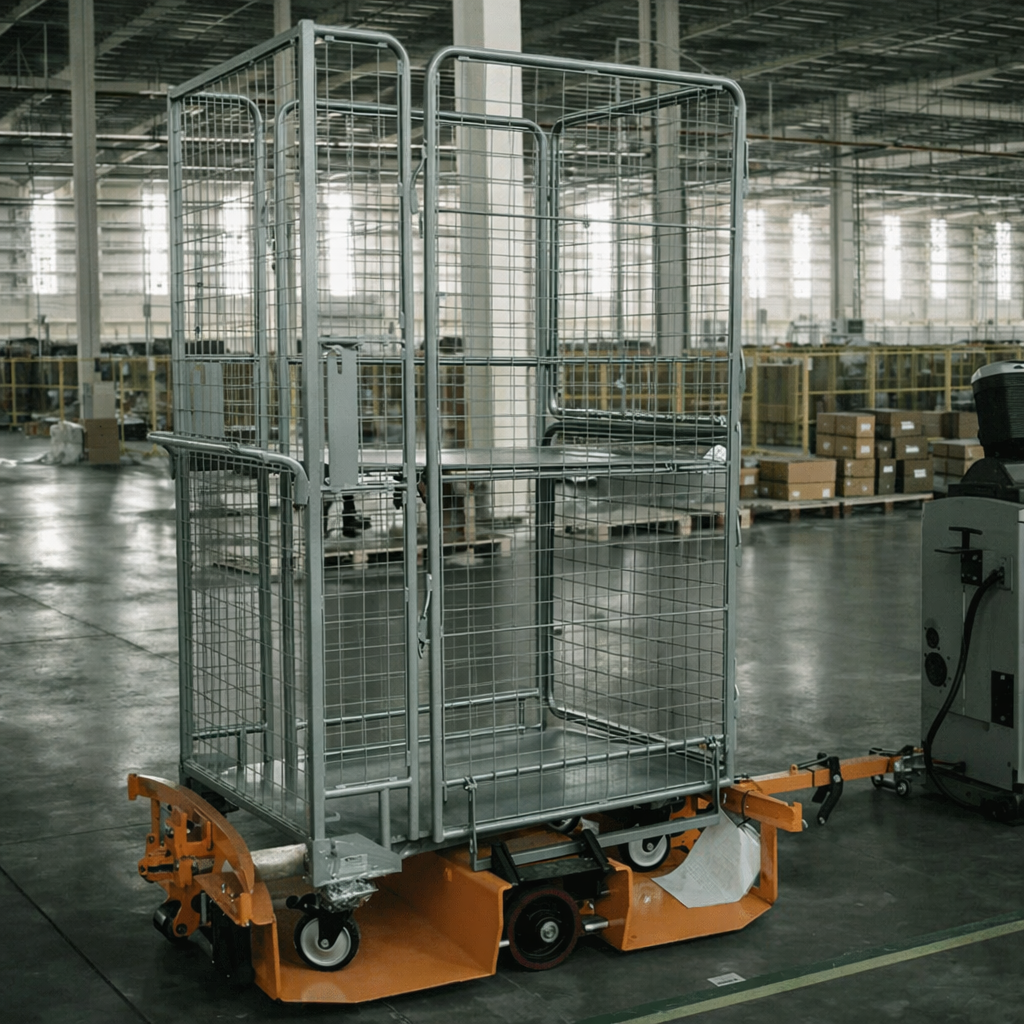
This is where a tubular mesh warehouse trolley quietly makes a difference.
Why Warehouse Aisles End Up Blocked So Often
Almost every facility has said some version of: “Our aisles are always blocked, even when volumes are normal.”
Usually, it’s not traffic. It’s parking.
Large trolleys that don’t nest sit idle wherever there’s room. Equipment designed for heavier loads struggles to turn in narrow aisles. Once a few of these are left around, movement slows for everyone — forklifts, pickers, even foot traffic.
A tubular mesh trolley takes a different approach. It’s slimmer, easier to steer, and meant to work with tight aisles instead of fighting them. More importantly, when it’s not in use, it nests into the next one. That one detail tends to matter more than people expect.
Clearing aisle space does more for daily flow than most layout tweaks ever will. This is one of those areas where function matters more than capacity.
Manual Handling Is Still Too High — Even With Trolleys Around
This part often surprises managers. “We already use carts. Why are people still lifting so much?”
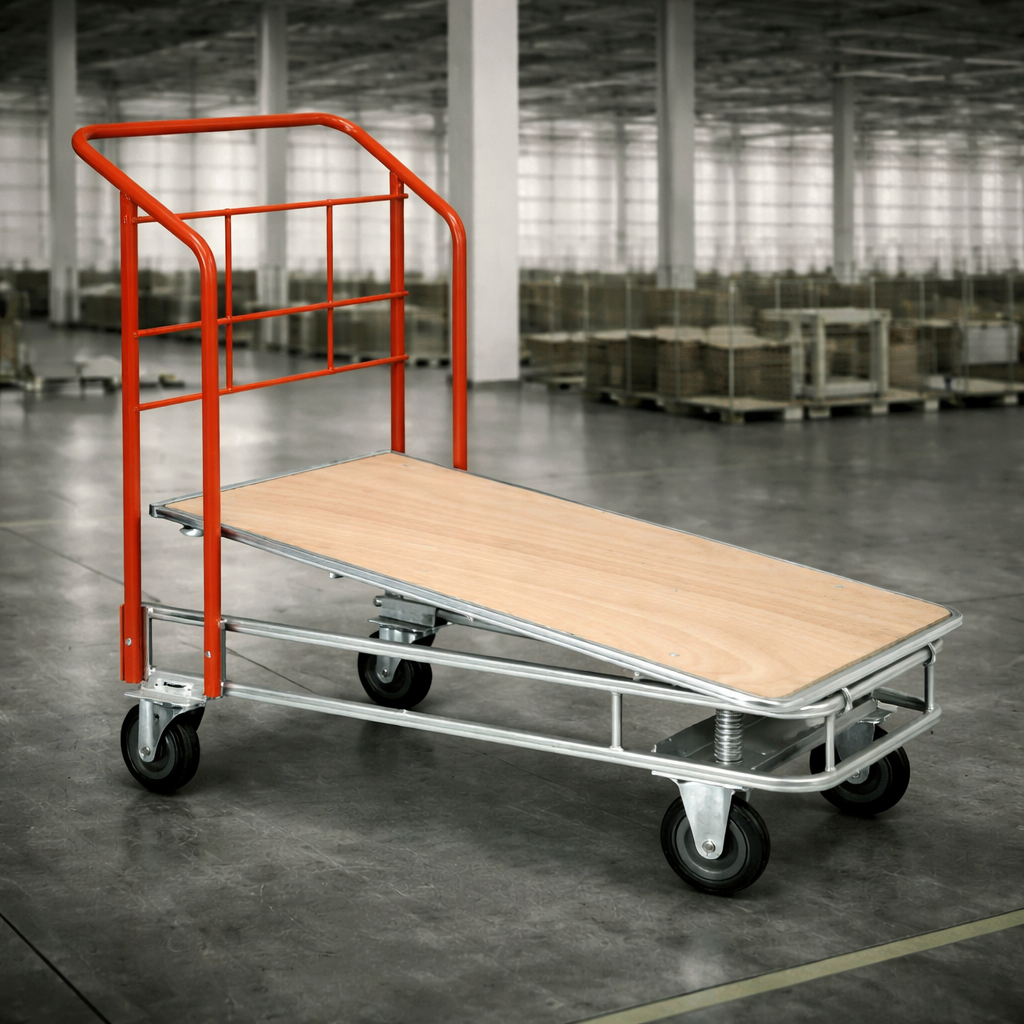
The issue is usually load security. Open carts or shallow platforms don’t really hold anything. Workers end up steadying boxes with their hands, lifting to prevent slips, or stopping mid-move to rearrange loads. It’s exhausting, and it slows everything down.
Mesh-sided trolleys reduce that constant adjustment. Once items are inside, they stay put. Workers push instead of carry, and movement becomes more predictable. It’s not flashy, but it lowers strain quickly — which, honestly, is more important than squeezing in one extra box per trip.
Safety and consistency matter more here than raw speed.
How Floor Space Gets Lost Without Anyone Noticing
Floor space doesn’t usually disappear overnight. It erodes.
One trolley parked here. Another there. Temporary holding areas that quietly become permanent. The common thread is equipment that can’t be compacted when it’s idle.
Nestable tubular mesh trolleys solve this in a very practical way. When they’re not needed, they slide into each other and shrink their footprint. That alone can free up surprising amounts of space, especially near picking zones and dispatch areas.
Flexible floor space is more valuable than fixed storage in most operations. This kind of trolley supports that flexibility instead of working against it.
Short Moves Are Where Most Inefficiency Lives
Warehouses are usually well-equipped for big moves — pallets, forklifts, long transfers. Where things fall apart is the constant short-distance movement between zones.
Using pallet trucks for small batches. Carrying items by hand because “it’s just nearby.” Heavy equipment doing light work all day.
Tubular mesh trolleys are built for this exact gap. They’re lighter, faster to load, easy to push, and simple to park. Nothing overengineered. Just enough structure to keep things moving without slowing people down.
Fixing short moves often improves overall flow more than optimizing long ones. That tends to get overlooked.
What Actually Improves When Internal Movement Gets Easier
Once daily movement stops being a struggle, a lot of small things improve on their own:
Aisles stay clearer
Workers handle less weight directly
Layouts become easier to adjust
Fatigue drops, even during busy shifts
A tubular mesh frame warehouse trolley doesn’t claim to solve logistics at a strategic level. What it does is remove the quiet friction that builds up during normal operations — and that’s usually the bigger win.
Final Thought: Fix the Tool Before Fixing the Process
If your warehouse feels crowded, slower than it should be, or more physically demanding than expected, it’s worth looking at the tools being used every few minutes, not just the big systems.
In many cases, switching to a nestable tubular mesh warehouse trolley brings immediate relief — clearer aisles, safer handling, and floor space that finally works the way it should.
Better flow often starts with simpler equipment. Especially where daily movement matters most.

Innovation in Distribution Storage & E-Commerce products with 10+ years of experience and 40+ Products!
JRD RETAIL SOLUTIONS LLP
21,JATIN INDUSTRIAL ESTATE, 3RD CARTER ROAD, BORIVALI (EAST) MUMBAI-400066, MAHARASHTRA, INDIA.
CONTACT US AT :- +91 7400161116 \ +91 9004476125
EMAIL US AT :- sales@jrdretailsolutions.com
Copyright © 2026 jrdretailsolutions
Powered by Jrd Retail Solutions